


1. About the Author – Jeneva Rose
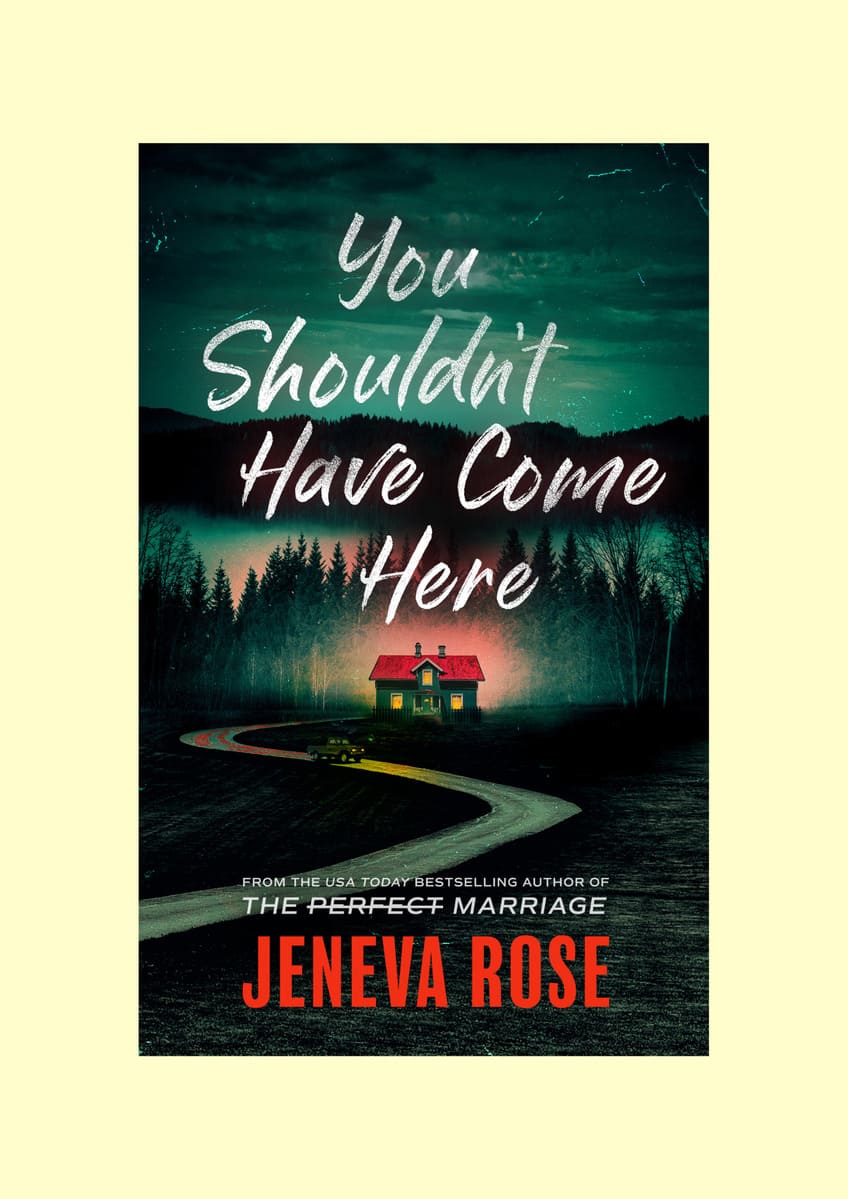
Jeneva Rose is a prominent contemporary voice in American psychological thrillers. She is widely known for bestselling titles such as The Perfect Marriage, One of Us Is Dead, and You Shouldn’t Have Come Here. Her novels often explore seemingly ordinary relationships that conceal secrets, lies, and sudden psychological reversals.
Rose’s writing style favors short chapters, accessible prose, and emotional immediacy. Rather than intricate detective puzzles, she focuses on sustained unease and character-driven tension, culminating in bold twists that spark debate. This “fast, addictive” approach has helped her reach a wide readership, while also dividing critics who expect stricter logical frameworks from the genre.
2. About the Narrators – Andi Arndt & Andrew Eiden
The Audiobook edition of You Shouldn’t Have Come Here features two well-regarded narrators. Andi Arndt brings a warm yet controlled delivery, particularly effective in conveying vulnerability, anxiety, and internal conflict. She is a familiar and trusted voice for listeners of romance and psychological fiction.
Andrew Eiden complements her performance with a calm, restrained tone that subtly suggests menace beneath the surface. His narration suits enigmatic male characters and enhances the novel’s unsettling atmosphere. Together, their dual narration clarifies shifting perspectives and adds an almost cinematic dimension to the listening experience.
3. About the Book – You Shouldn’t Have Come Here
You Shouldn’t Have Come Here is a psychological thriller with romantic undertones, set on a remote ranch in Wyoming. The story follows Grace Evans, a New York woman who escapes her suffocating routine in search of peace and healing. She rents a rural retreat owned by Calvin Wells, a quiet, attractive man who seems welcoming at first. As Grace settles in, however, unease builds through odd interactions, missing details, and the growing sense that something is deeply wrong.
The novel explores themes of misplaced trust, isolation, emotional vulnerability, and the dangers of romanticizing escape. On platforms like Goodreads, the book averages around 3.4/5 stars, based on tens of thousands of ratings—evidence of its popularity as well as its polarizing reception. While it has not been defined by major awards, it has achieved notable commercial success.
4. Book Review – In-Depth Assessment
From a narrative standpoint, You Shouldn’t Have Come Here is not a complex puzzle thriller, but it excels at sustaining discomfort. Jeneva Rose carefully constructs tension through silence, atmosphere, and subtle inconsistencies rather than overt action. Grace’s psychological state is convincingly portrayed, especially her growing fear as she realizes her assumptions may have been dangerously wrong.
The novel’s greatest strength lies in its final twist, which recontextualizes much of what came before and prompts strong reactions. At the same time, this is also its most criticized aspect. Some readers find the twist shocking but insufficiently grounded, arguing that it prioritizes surprise over plausibility.
Critics often describe the book as “a fast, addictive read with a divisive ending,” capturing both its appeal and its limitations.
Personal Reflection:
For me, You Shouldn’t Have Come Here works best as a one- or two-sitting thriller—something to devour quickly rather than analyze deeply. While the ending did not fully convince me on a logical level, the psychological journey was compelling enough to keep me engaged until the last page. It is not a story that lingered with me for weeks, but it delivered immediate emotional impact and sparked discussion, which is often the hallmark of modern commercial thrillers.
5. Audiobook Review – Listening Experience
The Audiobook version of You Shouldn’t Have Come Here is generally well received, earning average ratings around 4/5. Andi Arndt captures Grace’s fragility and tension with nuance, while Andrew Eiden’s measured delivery adds ambiguity and subtle threat to Calvin’s character. The pacing is steady and listener-friendly, making it easy to follow even during multitasking.
A key advantage of the Audiobook is its clear role separation, which enhances comprehension during perspective shifts. A minor drawback noted by some listeners is that certain romantic scenes feel emotionally restrained, slightly reducing their intensity compared to the suspenseful moments.
Personal Reflection:
I found the Audiobook format particularly effective for this story. The narrators amplify the sense of isolation and unease that defines the ranch setting, drawing me deeper into Grace’s mindset. For listeners who were unsure about the book due to mixed reviews, the Audiobook offers a more immersive and engaging way to experience the narrative. In many ways, the performances elevate the material beyond the printed page.
6. Who Should Read or Listen to This Book
This book is especially suitable for:
-
Fans of psychological thrillers that emphasize mood and emotion over intricate plotting.
-
Readers seeking a fast-paced, accessible story for entertainment.
-
Audiobook listeners who prefer clear narration and moderate pacing.
-
Existing fans of Jeneva Rose and stories centered on toxic relationships and hidden truths.
7. Conclusion
You Shouldn’t Have Come Here may not redefine the thriller genre, but it delivers suspense, atmosphere, and a conversation-provoking twist. Jeneva Rose’s familiar storytelling style, paired with a solid Audiobook performance, makes this a worthwhile choice for listeners and readers who enjoy modern psychological suspense. If you appreciate shocking turns and emotionally driven narratives—and are open to a polarizing ending—this book deserves a spot on your list.
8. Where to Listen to the Audiobook
#CommissionsEarned
As an Amazon Associate I earn from qualifying purchases.
You can listen on the following platforms:
We recommend signing up for a membership to enjoy seamless access to this and many other high-quality audiobooks anytime, anywhere.
Reviews
There are no reviews yet.