

1. About the Author: William R. Forstchen
William R. Forstchen is an American author and historian best known for his post-apocalyptic fiction centered on electromagnetic pulse (EMP) scenarios. Holding a Ph.D. in history, Forstchen has combined academic insight with dramatic storytelling to create some of the most discussed disaster novels of the 21st century.
He gained national attention with One Second After, a novel frequently referenced in discussions about national security and infrastructure vulnerability. His writing style is grounded, strategic, and morally complex. Rather than focusing purely on action, Forstchen explores leadership, sacrifice, and the fragility of modern civilization. These qualities have earned him both critical recognition and a devoted readership.
2. About the Narrator: Bronson Pinchot
Bronson Pinchot is an award-winning actor and Audiobook narrator known for his dynamic vocal range and character differentiation. Over the years, he has narrated dozens of titles across genres, earning praise for his emotional depth and immersive delivery.
In the Audiobook version of One Year After, Pinchot delivers a performance that captures the tension and gravity of a nation struggling to rebuild. His pacing is deliberate, his tone serious, and his character voices distinct. While some listeners debate his strong Southern inflection in certain scenes, many agree that his narration enhances the emotional intensity of the story.
3. Book Overview: One Year After
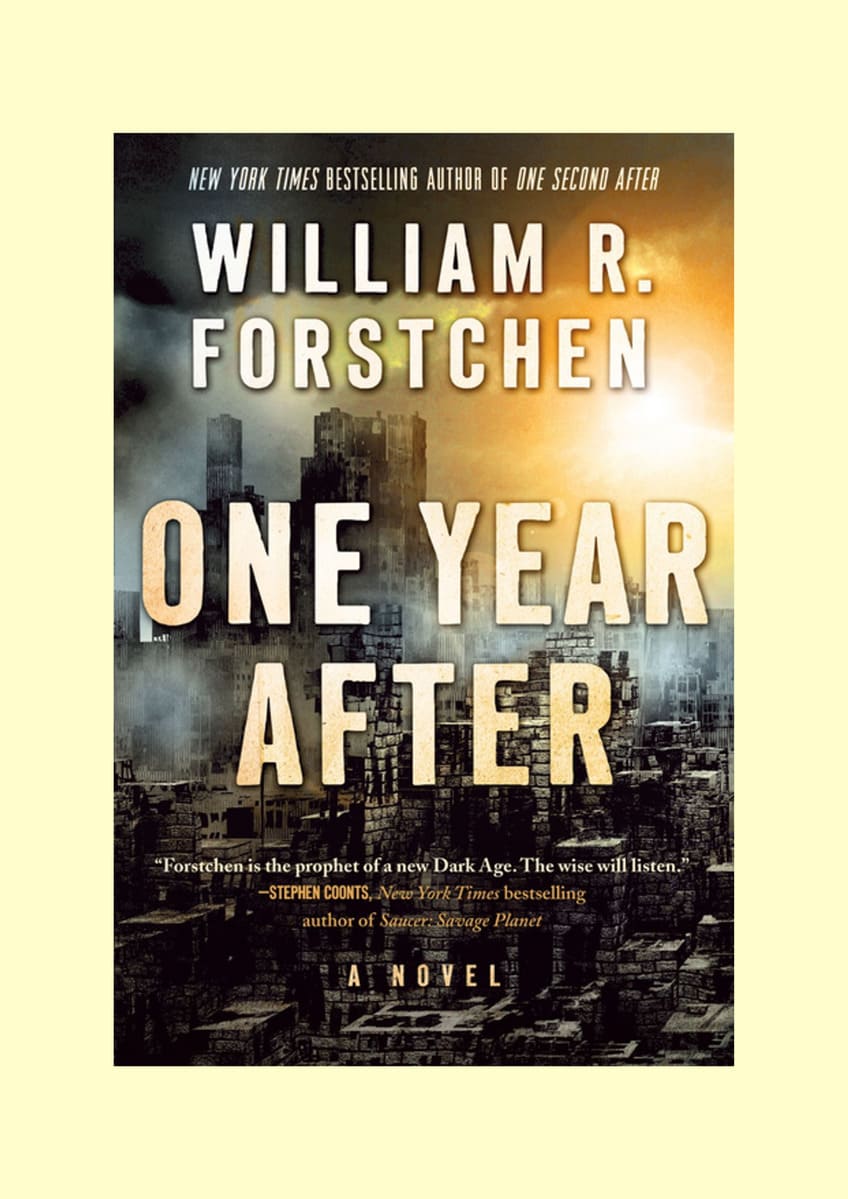
One Year After is the second installment in the John Matherson series, following the bestselling One Second After. The novel takes place one year after a catastrophic EMP attack has crippled the United States, eliminating electricity, communications, and modern infrastructure.
Set in the small town of Black Mountain, North Carolina, the story follows John Matherson as he faces a new threat: the reemergence of federal authority in a weakened but authoritarian form. The novel explores themes of political control, moral compromise, survival, and the cost of security.
Across major platforms, One Year After holds an average rating of approximately 4.2 out of 5 stars, based on thousands of reader reviews. It stands out in the post-apocalyptic genre for its realism, political depth, and unsettling plausibility.
4. Book Review: Strengths and Weaknesses
This Review of One Year After reveals a more politically intense and morally layered sequel compared to its predecessor. While One Second After focused on immediate societal collapse, this installment shifts toward reconstruction and the power struggles that follow.
One of the book’s greatest strengths is its realism. William R. Forstchen meticulously examines how fragile communities respond to centralized authority returning under crisis conditions. John Matherson evolves into a deeply conflicted leader, torn between protecting his people and resisting federal overreach.
The pacing is steady and thoughtful. Instead of constant action, the tension builds through difficult decisions, ethical dilemmas, and political confrontations. Some readers may find certain policy discussions lengthy, but others appreciate the intellectual weight they add.
Critics have described the series as “a chilling wake-up call about America’s vulnerability.” That warning element gives the novel long-term relevance beyond entertainment.
Personal reflection:
I believe One Year After is more than a survival novel. It is a meditation on power and responsibility. What resonated with me most was the absence of easy solutions—every decision carries consequences. If you enjoy post-apocalyptic fiction grounded in political realism rather than fantasy spectacle, this book offers a compelling and thought-provoking experience.
5. Audiobook Review
The Audiobook edition of One Year After runs just under ten hours and is narrated by Bronson Pinchot. His performance adds dramatic weight to an already intense narrative.
Pinchot excels at conveying emotional strain, especially in scenes involving leadership pressure and moral conflict. His vocal differentiation between characters is clear and consistent. Many listeners praise his ability to sustain tension across long dialogue-driven passages.
However, the transition from the narrator of the first book to Pinchot has been noted by some fans. Additionally, his pronounced Southern accent in certain chapters has drawn mixed reactions.
Personal reflection:
Listening to the Audiobook heightened the emotional stakes for me. The spoken format makes the political tension feel immediate and personal. While not flawless, the narration amplifies the gravity of the story. For those who prefer immersive listening during commutes or workouts, this Audiobook is a strong companion experience.
6. Who Should Read This Book?
One Year After is ideal for readers who enjoy post-apocalyptic fiction grounded in realism and political tension. It appeals to those interested in national security, leadership ethics, and societal resilience.
Fans of thoughtful survival stories—not just action-driven dystopias—will appreciate the book’s layered narrative. Additionally, listeners who enjoy serious, dramatic Audiobook performances will find the narrated version compelling.
7. Conclusion
One Year After confirms William R. Forstchen’s reputation as a master of realistic disaster fiction. The novel challenges readers to consider the cost of survival when law and liberty collide. With its grounded storytelling and politically charged themes, it deserves a place on the reading list of anyone fascinated by post-EMP scenarios and moral leadership under pressure.
If you are looking for a powerful post-apocalyptic novel that goes beyond surface-level survival, this book is worth exploring.
8. Where to Listen to the Audiobook
#CommissionsEarned
As an Amazon Associate I earn from qualifying purchases.
You can listen on the following platforms:
We recommend signing up for a membership to enjoy seamless access to this and many other high-quality audiobooks anytime, anywhere.


Reviews
There are no reviews yet.